Your brain is lazy – and that's good
In 1885, a German psychologist named Hermann Ebbinghaus tortured himself: he memorised nonsense syllables and measured how fast he forgot them. The result: the forgetting curve – a steep slide downward.
After 20 minutes, 40 % is gone. After a day, around 70 %. After a week, you might have 20 % left. Brutal? Yes – but also clever. Your brain isn't a sponge, it's a filter. What you don't use regularly gets dumped.
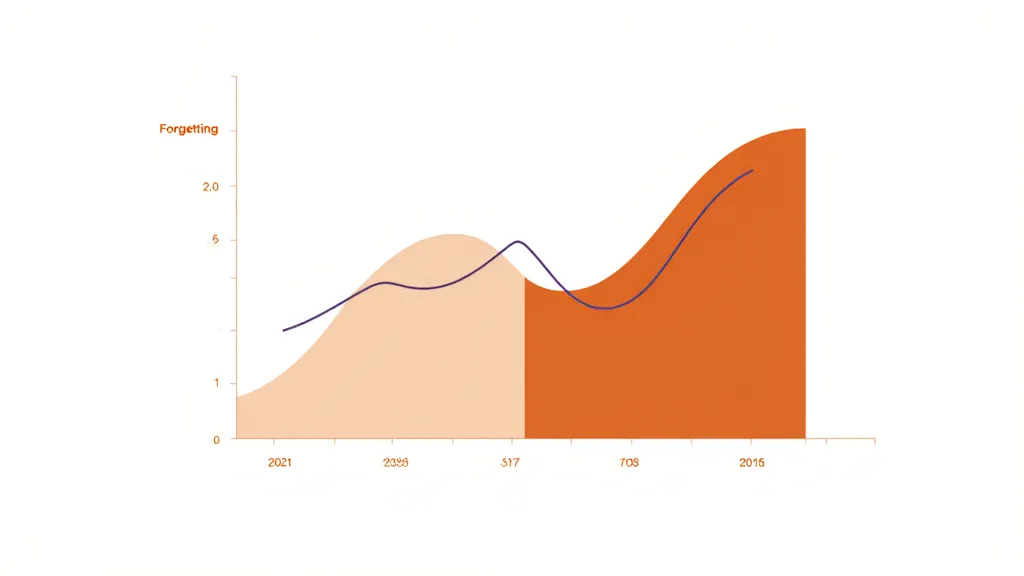
Without review you lose 80 % in a week. With smart intervals, almost everything sticks.
Remembering vocabulary long-term: timing is everything
The trick isn't to review more often. The trick is reviewing right before you forget. A small nudge at the right moment – and the curve rises again.
That's exactly what a Spaced Repetition System does: it rates each card and schedules the next review. Maybe tomorrow. Maybe in a week. Maybe in three months. You don't have to decide anymore.
The numbers that will convince you
- Applied properly: up to 90 % fewer reviews for long-term retention
- A new card sees you 3–4 times in the first week, then less often
- After 6 months of 10 minutes daily: over 2000 words locked in
FSRS algorithm explained: not every SRS is equal
Most apps still use an algorithm from the 80s – it works, but it's a VHS recorder in the Spotify era. FSRS (Free Spaced Repetition Scheduler) trains a model on your actual answers and schedules reviews more precisely.
Result: 20–30 % fewer reviews at the same retention. Meaning: 45 minutes for what used to take an hour. Language research is clear: smarter beats more often.
How to start in 15 minutes
- Pick an SRS app that supports FSRS (NoHablasEspanol does it automatically)
- Set the daily limit to 10–15 new cards
- Daily: all due reviews + the new cards
- Rate honestly – pressing "Again" is fine, the algorithm needs real data